
Why has Inbound Marketing taken over? (And how can you do it?)
By Bruce Klaic (MBA) Tuesday, October 5, 2021
Quick summary
Inbound marketing means getting found by people who are already looking for what you do, then earning their trust with useful information, rather than interrupting strangers with cold calls and ads. It's taken over because buyers now research on their own before they ever talk to a business. Here's why it works and how a small business can start without a big budget.
Outbound vs inbound: what changed
Outbound marketing is the old playbook: cold calls, letterbox drops, untargeted display ads and bought email lists. You push a message out and hope the right person sees it at the right time.
Inbound flips that around. You create the things people are already searching for (answers, guides, comparisons, prices, reviews) and make sure they find you when they're ready.
Three shifts made inbound the default:
- Buyers research first. Most people search, read reviews and compare options before they contact anyone.
- People tune out interruptions. Ad blockers, call screening, spam filters and "unsubscribe" have made cold outreach harder and more expensive.
- Content keeps working. An ad stops the day you stop paying. A helpful article or service page can bring in enquiries for years.
The inbound approach in three stages
Attract
Get in front of the right people when they're looking. The main tools are:
- SEO: service pages and articles that answer the questions your customers type into Google
- Helpful content: blog posts, guides, checklists and videos
- Social media: sharing that content where your audience already spends time
Engage
Turn visitors into leads by offering something worth giving an email address for and making it easy to take the next step:
- Clear calls to action on every page
- Simple contact and booking forms
- Downloadable resources, like a buyer persona template or a checklist
Delight
Keep customers happy after the sale so they come back and refer others:
- Useful follow-up emails
- Fast, friendly support
- Asking for reviews and referrals at the right moment
Who you're talking to comes first
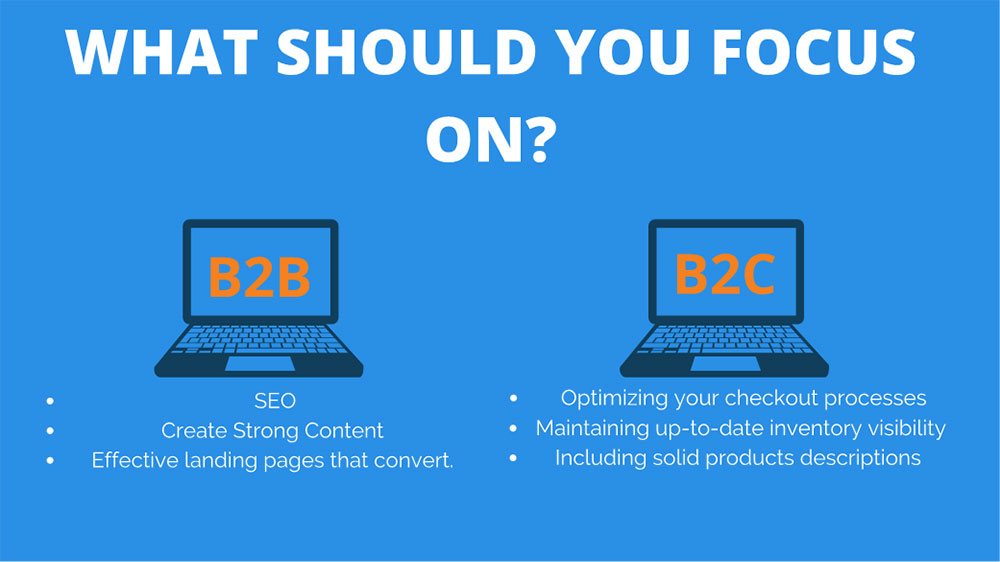
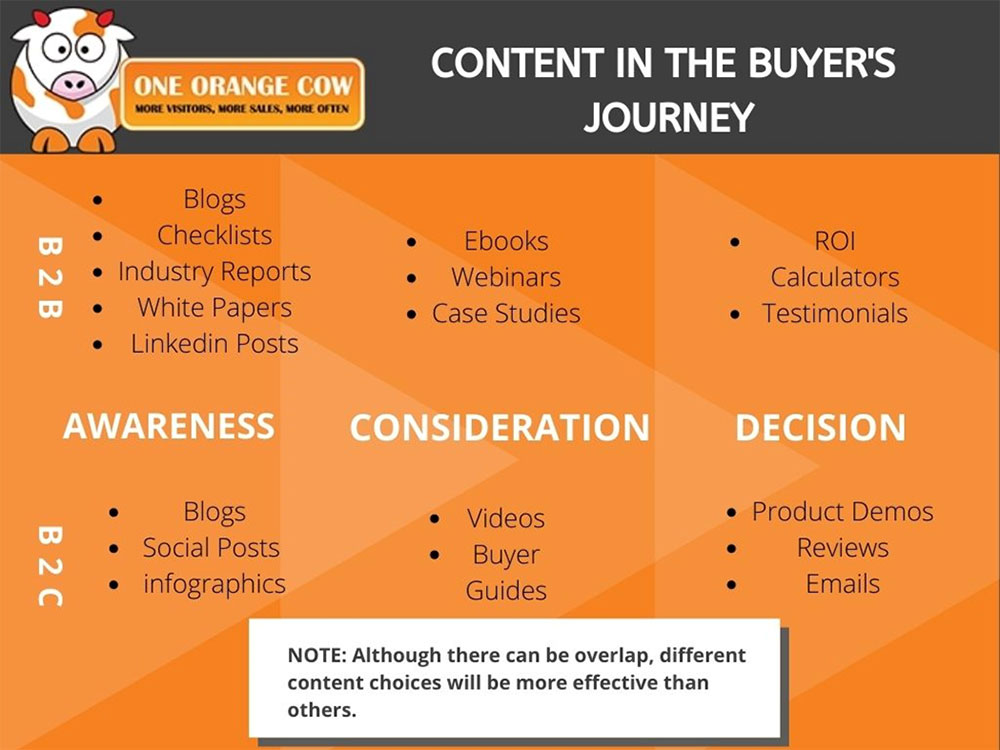
Inbound only works if you know who you're trying to attract. Before writing anything, define your buyer personas: who they are, what problems they have, what questions they ask and what stops them buying. The approach is a bit different for business buyers and consumers, which is covered in how your business model should dictate your marketing (B2B and B2C).
A simple 90-day inbound plan for a small business
Month 1: Foundations
- Write down two or three buyer personas
- List the 20 questions customers ask most often
- Fix your main service pages so each one clearly answers who, what, where, how much and how to book
- Set up Google Analytics and Search Console so you can measure results
Month 2: Content
- Publish two to four articles answering the most common questions
- Add one downloadable resource with a sign-up form
- Share each piece on the social channel your customers actually use
Month 3: Nurture
- Set up a short welcome email sequence for new sign-ups
- Add a CRM, even a simple one, so leads don't get lost
- Review which pages bring traffic and enquiries, and do more of what works
Where a CRM fits
As leads start coming in, a spreadsheet stops working. A CRM keeps track of who's interested, what they've looked at and when to follow up, and it lets you automate the nurture emails. If you're weighing options, see how to choose a CRM.
Inbound isn't instant
The trade-off is time. Inbound builds momentum over months rather than days. Many businesses run some paid ads for quick leads while their content and SEO build up, then lean on inbound once it's carrying more of the load.
Want help getting started?
If you'd like a plan for attracting customers who are already looking for you, talk to One Orange Cow.