Understanding Customer Lifetime Value & How to Grow It
By Brendan Byrne - CEO Tuesday, March 31, 2026
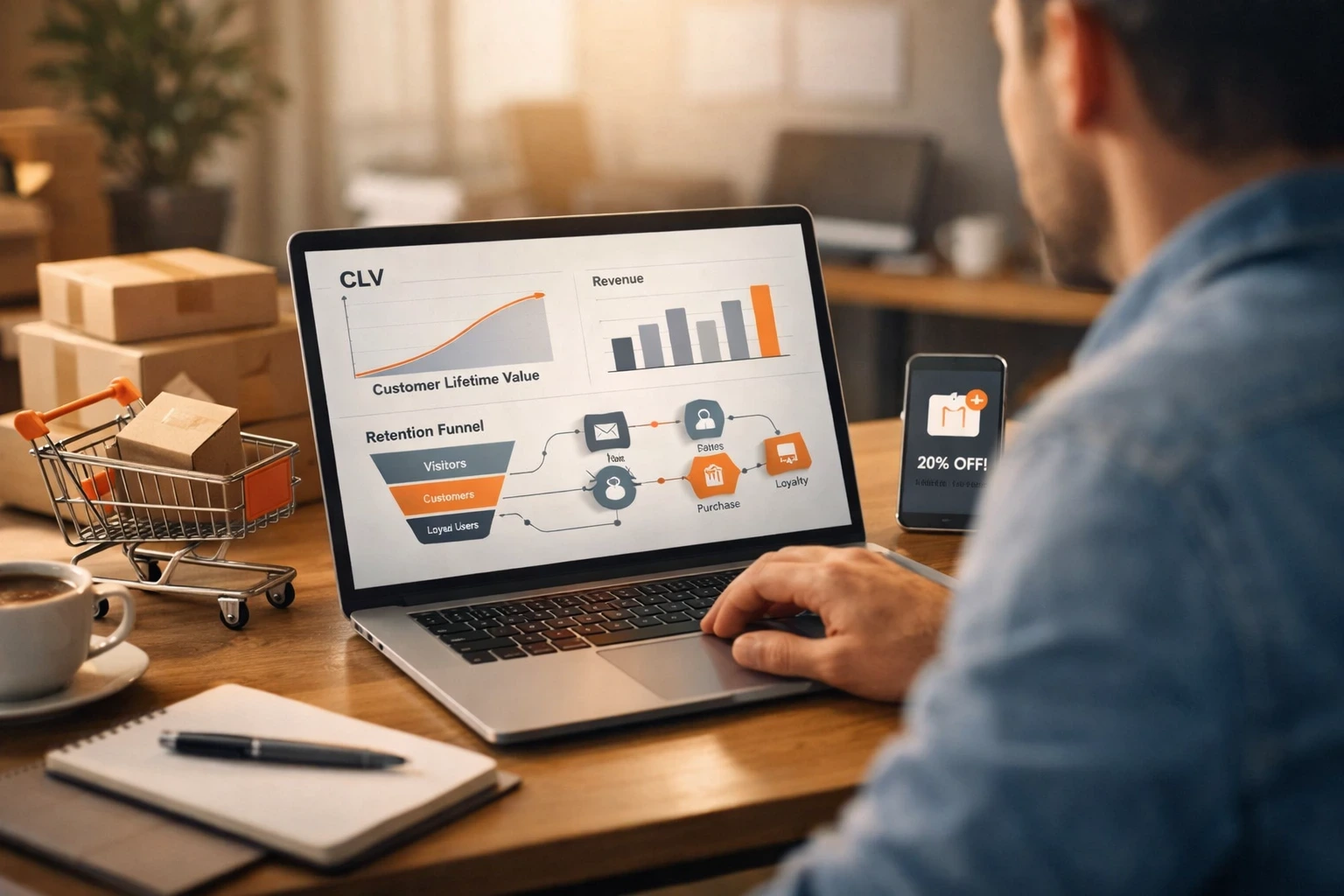
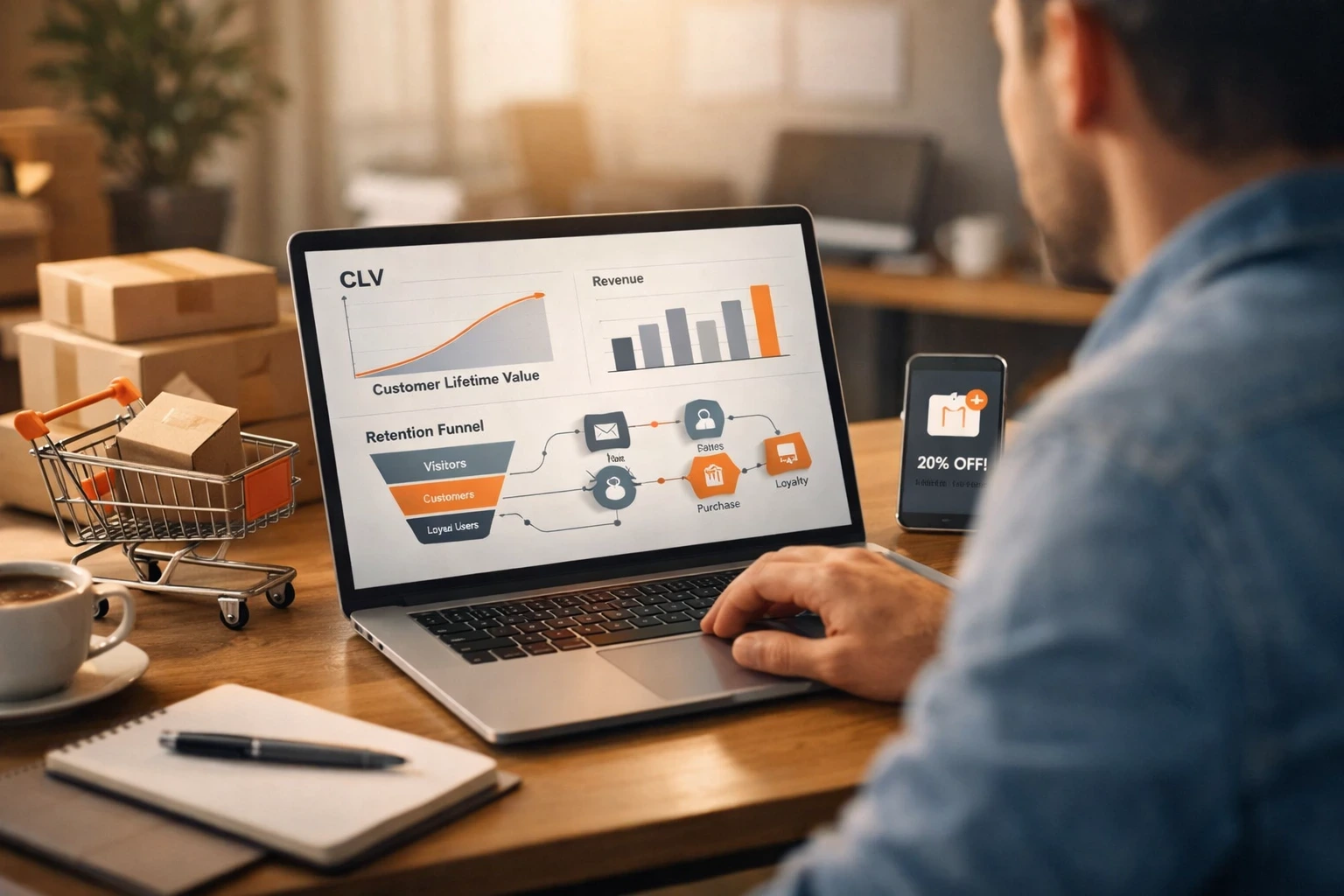
Understanding Your Customer Lifetime Value—and How to Increase It
In today’s competitive digital landscape, acquiring customers is only half the battle. The real key to sustainable growth lies in maximising the value of each customer over time. This is where Customer Lifetime Value (CLV) becomes one of the most important metrics for any business.
Whether you're running an eCommerce brand or managing digital marketing campaigns, understanding and improving CLV can dramatically increase profitability, reduce acquisition costs, and build stronger customer relationships.
What is Customer Lifetime Value (CLV)?
Customer Lifetime Value is the total revenue a business can reasonably expect from a single customer throughout their entire relationship with the brand.
Instead of focusing only on one-time purchases, CLV shifts your attention to long-term engagement and repeat business.
A simple way to think about it:
CLV = Average Purchase Value × Purchase Frequency × Customer Lifespan
For example, if a customer spends $50 per order, buys four times a year, and stays with your brand for three years, their CLV is $600.
Understanding this number helps you answer critical questions:
- How much should you spend on acquiring a customer?
- Which customers are most valuable?
- Where should you invest your marketing efforts?
Why CLV Matters More Than Ever
Rising advertising costs and increasing competition mean that relying purely on customer acquisition is no longer sustainable.
Businesses that thrive today focus on:
- Retention over acquisition
- Relationships over transactions
- Long-term value over short-term wins
Improving CLV allows you to:
- Increase revenue without increasing ad spend
- Build brand loyalty and trust
- Create predictable, scalable growth
For businesses leveraging digital systems like those offered by One Orange Cow, CLV becomes even more powerful when paired with automation, data insights, and customer journey optimisation.
Key Factors That Influence CLV
To increase CLV, you first need to understand what drives it. There are three main components:
1. Average Order Value (AOV)
How much a customer spends per transaction.
2. Purchase Frequency
How often a customer buys from you.
3. Customer Retention
How long a customer continues to engage with your business.
Improving even one of these factors can significantly boost your CLV—but the real impact comes from optimising all three together.
Proven Strategies to Increase Customer Lifetime Value
1. Optimise the Customer Experience
A seamless and enjoyable experience is the foundation of retention.
This includes:
- Fast-loading, mobile-friendly websites
- Simple checkout processes
- Clear communication and support
Customers who enjoy the buying experience are far more likely to return.
2. Personalise Your Marketing
Modern customers expect personalised interactions.
Use data to:
- Recommend relevant products
- Send targeted email campaigns
- Tailor offers based on behaviour
Personalisation increases both conversion rates and repeat purchases.
3. Implement Email & SMS Automation
Automated flows can nurture customers without constant manual effort.
Examples include:
- Welcome sequences
- Abandoned cart reminders
- Post-purchase follow-ups
- Re-engagement campaigns
These systems ensure you stay top-of-mind and encourage repeat business.
4. Introduce Loyalty & Reward Programs
Rewarding customers for repeat purchases builds strong emotional connections.
Effective programs may include:
- Points systems
- Exclusive discounts
- VIP tiers
Customers who feel valued are more likely to stay loyal.
5. Upsell and Cross-Sell Strategically
Encourage customers to increase their order value by offering:
- Product bundles
- Complementary items
- Limited-time upgrades
The key is relevance—recommendations should feel helpful, not pushy.
6. Focus on Post-Purchase Engagement
The relationship doesn’t end after checkout.
Follow up with:
- Helpful product information
- Usage tips
- Customer support check-ins
This builds trust and encourages repeat purchases.
7. Use Data to Identify High-Value Customers
Not all customers are equal.
Analyse your data to find:
- Repeat buyers
- High spenders
- Loyal customers
Then prioritise them with tailored offers and experiences.
The Role of Digital Strategy in CLV Growth
Many businesses struggle with CLV not because they lack customers—but because they lack systems.
This is where strategic digital solutions come in.
Platforms and services like those offered by One Orange Cow help businesses:
- Streamline customer journeys
- Integrate marketing channels
- Automate engagement
- Track and analyse customer behaviour
By aligning your technology with your growth strategy, you can create a more cohesive and effective customer experience.
Common Mistakes That Reduce CLV
Avoid these pitfalls that can limit your growth:
1. Over-Focusing on Acquisition
Spending heavily on ads without nurturing existing customers leads to high churn.
2. Ignoring Customer Feedback
Unresolved issues can quickly turn loyal customers away.
3. Lack of Follow-Up
Failing to re-engage customers means missed opportunities for repeat sales.
4. Inconsistent Branding
A disconnected experience across channels weakens trust and recognition.
Measuring and Tracking CLV Effectively
To improve CLV, you need to measure it consistently.
Key metrics to track:
- Repeat purchase rate
- Customer retention rate
- Average order value
- Customer acquisition cost (CAC)
When CLV is higher than CAC, your business is on a sustainable growth path.
Final Thoughts
Customer Lifetime Value is more than just a metric—it’s a mindset.
When you shift your focus from one-time transactions to long-term relationships, everything changes:
- Your marketing becomes more strategic
- Your customers become more loyal
- Your business becomes more profitable
The brands that succeed are not the ones that acquire the most customers—but the ones that keep them.
By combining strong customer experience, smart automation, and data-driven decisions, you can significantly increase your CLV and build a business that grows sustainably over time.